
Hysterectomy — Open & Laparoscopy
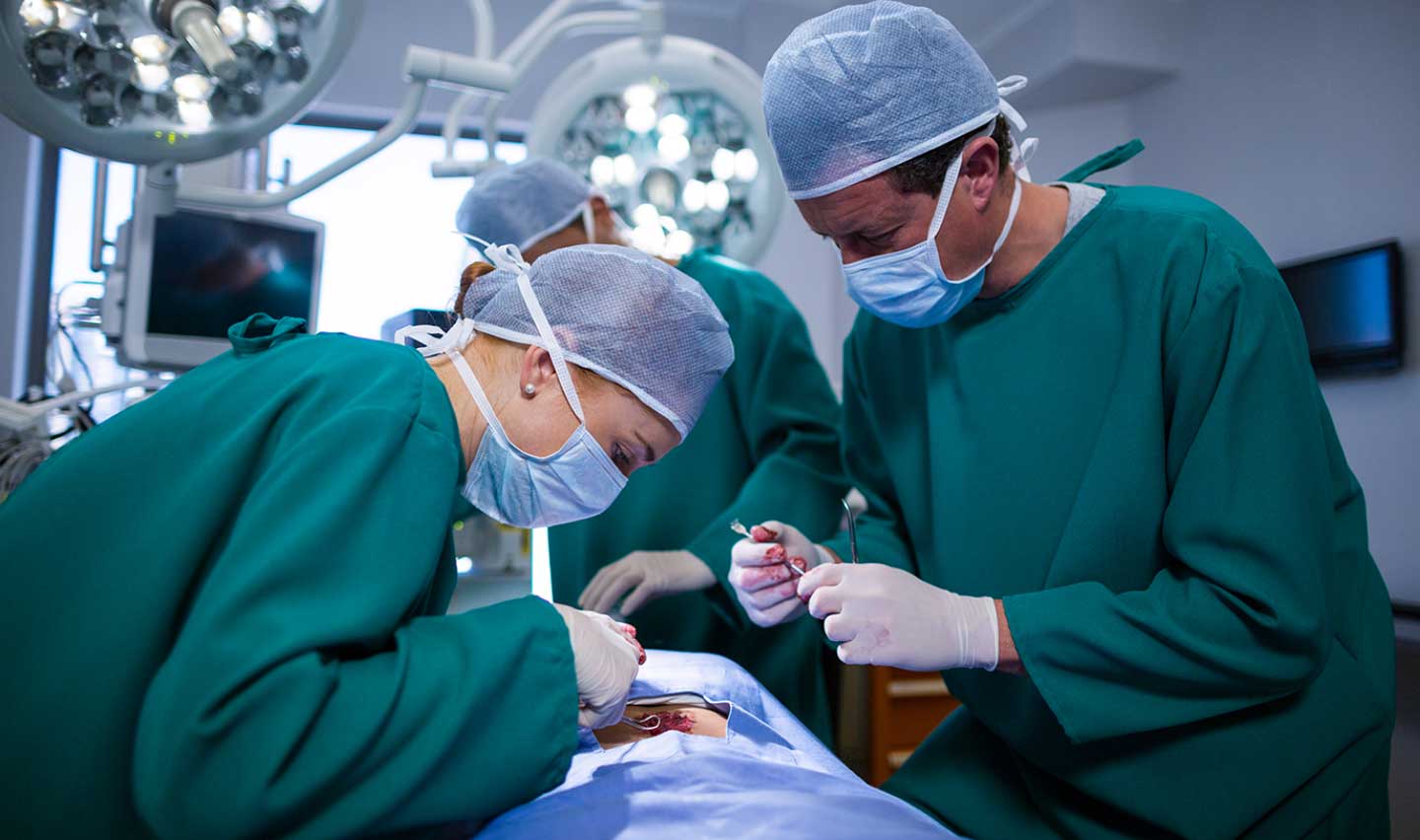
What is Hysterectomy?
Hysterectomy is a surgical operation to remove the uterus (womb), and sometimes the cervix, ovaries and fallopian tubes. It is recommended for conditions such as fibroids, heavy bleeding, chronic pelvic pain and uterine prolapse when other treatments have not helped.
It can be performed as laparoscopic (keyhole) surgery through a few tiny incisions, or as open surgery through one incision in the lower abdomen. We take time to explain every option, so you can make a confident and informed decision.
- Thorough evaluation and a discussion of all treatment options
- Keyhole (laparoscopic) hysterectomy in most suitable cases
- Open surgery available when it is the safer option
- Respectful, private and compassionate care
- Clear guidance on recovery and returning to routine
Symptoms That May Need Evaluation
These symptoms have many possible causes and do not always mean surgery. A proper examination will tell you what is needed.
Very heavy or prolonged periods, or bleeding between periods
Ongoing pelvic pain or a feeling of pressure in the lower abdomen
Severe period pain or pain during intercourse
Frequent urination or bladder pressure from an enlarged uterus
Tiredness or anaemia caused by heavy blood loss
Any bleeding after menopause — please get it checked promptly
Open vs. Laparoscopic Hysterectomy
Both approaches are safe and effective. We recommend the one that best suits your condition and health.
Laparoscopic Hysterectomy
Keyhole surgery through a few small incisions, using a camera. It usually means less pain, minimal scarring, a shorter hospital stay and a quicker return to normal activities.
Open (Abdominal) Hysterectomy
The uterus is removed through a single incision in the lower abdomen. It is preferred when the uterus is very large, or in complex cases where direct access is safer.
When is Hysterectomy Advised?
Surgery is considered when a condition seriously affects your health or quality of life and other treatments have not worked.
Fibroids
Non-cancerous growths in the uterus that can cause heavy bleeding, pain and pressure symptoms. Hysterectomy is considered when other treatments have not helped.
Heavy or Abnormal Bleeding
Persistent heavy periods that do not respond to medicines or other procedures, and that affect daily life or cause anaemia.
Endometriosis & Adenomyosis
Conditions that cause chronic pelvic pain and painful, heavy periods, where surgery may be advised if other treatment fails.
Uterine Prolapse
Descent of the womb into the vagina because of weak supporting muscles, causing discomfort and urinary problems.
How We Care for You at Master Surgeon
Led by Dr. S. Ravi Kumar, our team offers respectful, private care from your first consultation to complete recovery.
Consultation & Evaluation
A private, unhurried consultation with examination and ultrasound to understand the cause of your symptoms.
Expert ConsultationExploring All Options
We explain alternatives to surgery, and recommend a hysterectomy only when it is the right choice for you.
Honest AdvicePre-Surgery Preparation
Blood tests and a pre-anaesthesia fitness check, with your questions answered before the day of surgery.
Hassle-free PrepSafe Surgery
The uterus is removed by an experienced team, using a laparoscopic approach where it is suitable, with continuous monitoring.
Precision & SafetyComfortable Recovery
Pain relief, early walking and wound-care guidance, with a clear plan for rest and activity at home.
Quick RecoveryFollow-Up Support
Scheduled reviews to check healing and discuss your report, with 24x7 support for any concern.
Ongoing SupportHysterectomy — Frequently Asked Questions
Is hysterectomy the only treatment for my condition?
Not always. Many conditions can first be treated with medicines or smaller procedures. Hysterectomy is usually considered when these have not worked, or when the condition is serious. Your surgeon will discuss every option with you.
What is the difference between laparoscopic and open hysterectomy?
Laparoscopic surgery uses a few tiny incisions and a camera, and generally means less pain and faster recovery. Open surgery uses one larger incision and is chosen for a very large uterus or complex cases. Your surgeon will recommend what is safest for you.
Will I go into menopause after a hysterectomy?
Removing the uterus stops your periods and the ability to become pregnant. Menopause happens right away only if both ovaries are also removed. If the ovaries are kept, they usually continue to work. Your surgeon will discuss this with you before surgery.
How long is the recovery?
After laparoscopic hysterectomy most women go home within 1 to 2 days and return to light activity within about 1 to 2 weeks. Open surgery usually needs a longer stay and recovery of several weeks. Your surgeon will guide you on your own timeline.
Will it affect my daily life and intimacy?
Most women return to their normal routine and are able to resume intimacy after the surgeon confirms healing, usually after several weeks. Many feel better because their pain or heavy bleeding has been relieved. Feel free to ask any questions during your consultation.
Get It Checked in Confidence
Speak to our surgical team for a clear diagnosis and a treatment plan that fits you. Our helpline is available 24x7.
Call +91 96767 17852