
Diabetes Management
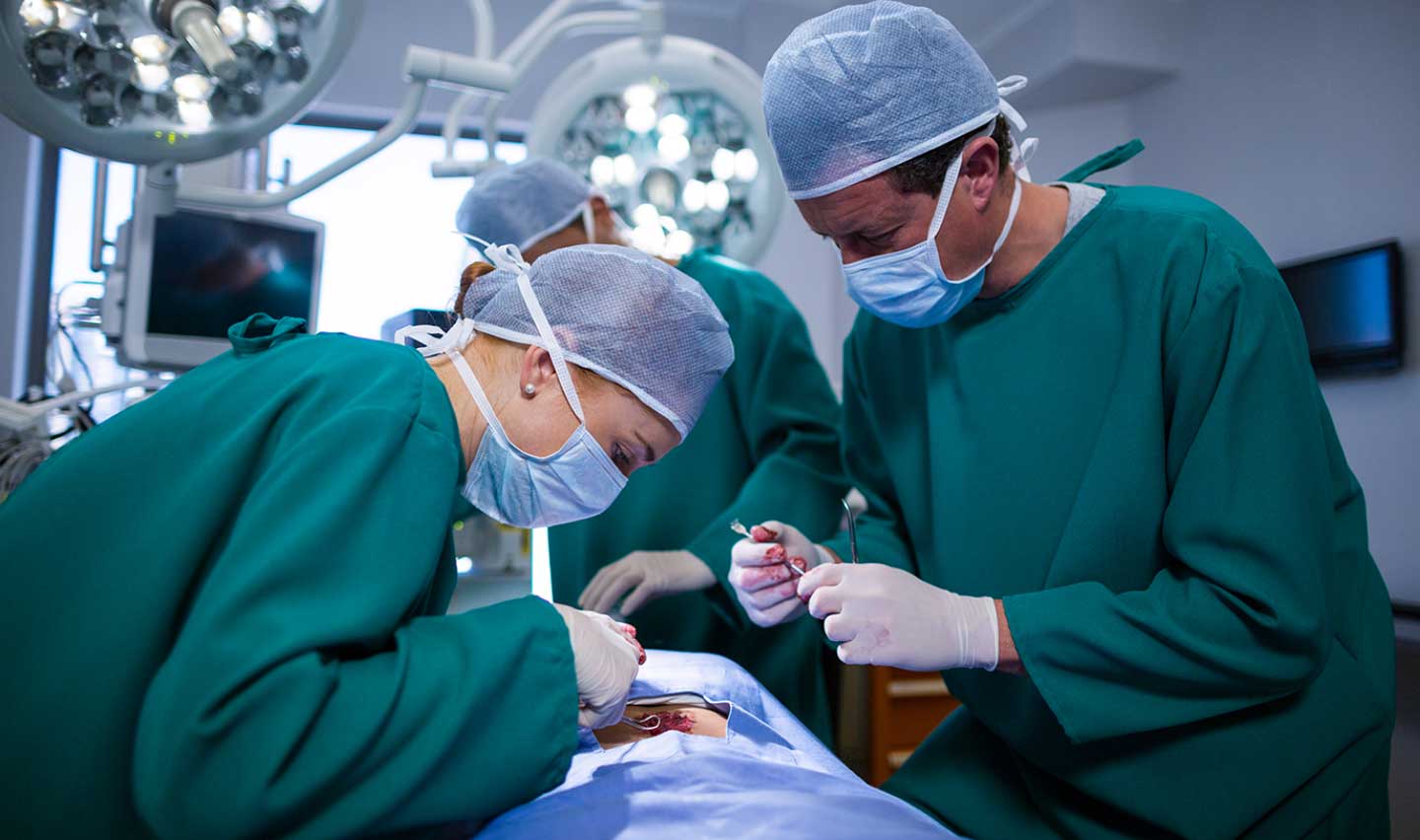
Take Control of Your Blood Sugar
Diabetes is a long-term condition in which the body cannot keep blood sugar at a healthy level. Left uncontrolled, it can damage the eyes, kidneys, nerves, heart and feet, and can slow the healing of wounds and surgical cuts.
The good news is that diabetes can be managed very well. At Master Surgeon we help you understand your condition and build a simple, personalized plan of medicines, diet and activity, with regular monitoring to keep you healthy and complication-free.
- Accurate diagnosis with the right blood tests
- A personalized plan for medicines, diet and activity
- Regular monitoring to keep sugar levels in range
- Early screening for complications
- Safe surgery planning for patients with diabetes
Symptoms of Diabetes
Diabetes can develop silently, so some people have no symptoms at first. A simple blood test is the only way to know for sure.
Increased thirst, hunger or frequent urination
Constant tiredness or lack of energy
Cuts, sores or wounds that heal slowly
Blurred vision or frequent infections
Tingling, numbness or burning in the hands or feet
Unexplained weight loss, vomiting or drowsiness — see a doctor urgently
Type 1 vs. Type 2 Diabetes
Knowing which type you have helps us choose the right treatment and monitoring plan.
Type 2 Diabetes
The most common form, where the body does not use insulin well. It is often linked to weight, inactivity and family history, and is managed with lifestyle changes, medicines and sometimes insulin.
Type 1 Diabetes
The body makes little or no insulin, so daily insulin is needed. It needs close monitoring and a well-organised care plan alongside the right diet and activity.
Complete Diabetes Care
Support that covers day-to-day sugar control as well as protecting you from long-term complications.
Blood Sugar Control
Regular checks and a review of your medicines and insulin so your sugar stays in a safe range through the day.
Diet & Lifestyle Guidance
Practical advice on meals, portion sizes, activity and weight, tailored to your routine and food habits.
Foot & Wound Care
Diabetes can slow healing and reduce feeling in the feet. We assess foot problems and wounds early and treat infections promptly.
Complication Screening & Safe Surgery
Checks for effects on the eyes, kidneys, nerves and heart, and careful sugar control before and after any operation.
How We Manage Diabetes at Master Surgeon
A simple, step-by-step approach that keeps you informed and in control at every visit.
Consultation & History
A detailed discussion of your symptoms, family history, medicines, diet and daily routine.
Expert ConsultationTests & Diagnosis
Blood sugar tests including HbA1c, with kidney and cholesterol checks where needed to see the full picture.
Accurate DiagnosisPersonalized Care Plan
A clear plan covering medicines, diet, activity and your sugar targets, explained in simple terms.
Clear GuidanceTreatment & Counselling
Starting and adjusting treatment, and teaching you how to check your sugar and recognise low or high levels.
Confident Self-CareMonitoring & Screening
Regular reviews of your sugar control, plus screening of the feet, eyes, kidneys and nerves for early changes.
Early DetectionOngoing Follow-Up
Scheduled visits to keep your plan on track, with support whenever you have a concern.
Ongoing SupportDiabetes Management — Frequently Asked Questions
Can diabetes be cured?
Diabetes is generally a lifelong condition that is controlled rather than cured. With the right diet, activity, weight control and medicines, many people keep their sugar in range and live healthy lives. Some people with type 2 diabetes can reach remission with major lifestyle changes, but they still need regular monitoring.
How often should I check my blood sugar?
It depends on your type of diabetes and treatment. People on insulin usually check more often than those on tablets or diet alone. Your doctor will set a schedule for you, and an HbA1c test is commonly done every few months.
What blood sugar level should I aim for?
Targets differ from person to person, depending on age, other health conditions and treatment. Your doctor will set your personal targets rather than a single number for everyone.
Why is foot care so important in diabetes?
High sugar can damage nerves and blood flow in the feet, so injuries may go unnoticed and heal slowly, which can lead to serious infection. Check your feet daily, wear proper footwear, and see a doctor early for any wound, blister or colour change.
Does diabetes affect surgery?
It can. Poorly controlled sugar can slow wound healing and raise the risk of infection. If you need surgery, our team will optimise your sugar levels beforehand and monitor them closely afterwards.
Get It Checked in Confidence
Speak to our surgical team for a clear diagnosis and a treatment plan that fits you. Our helpline is available 24x7.
Call +91 96767 17852