
Hernia Surgery — Open & Laparoscopy
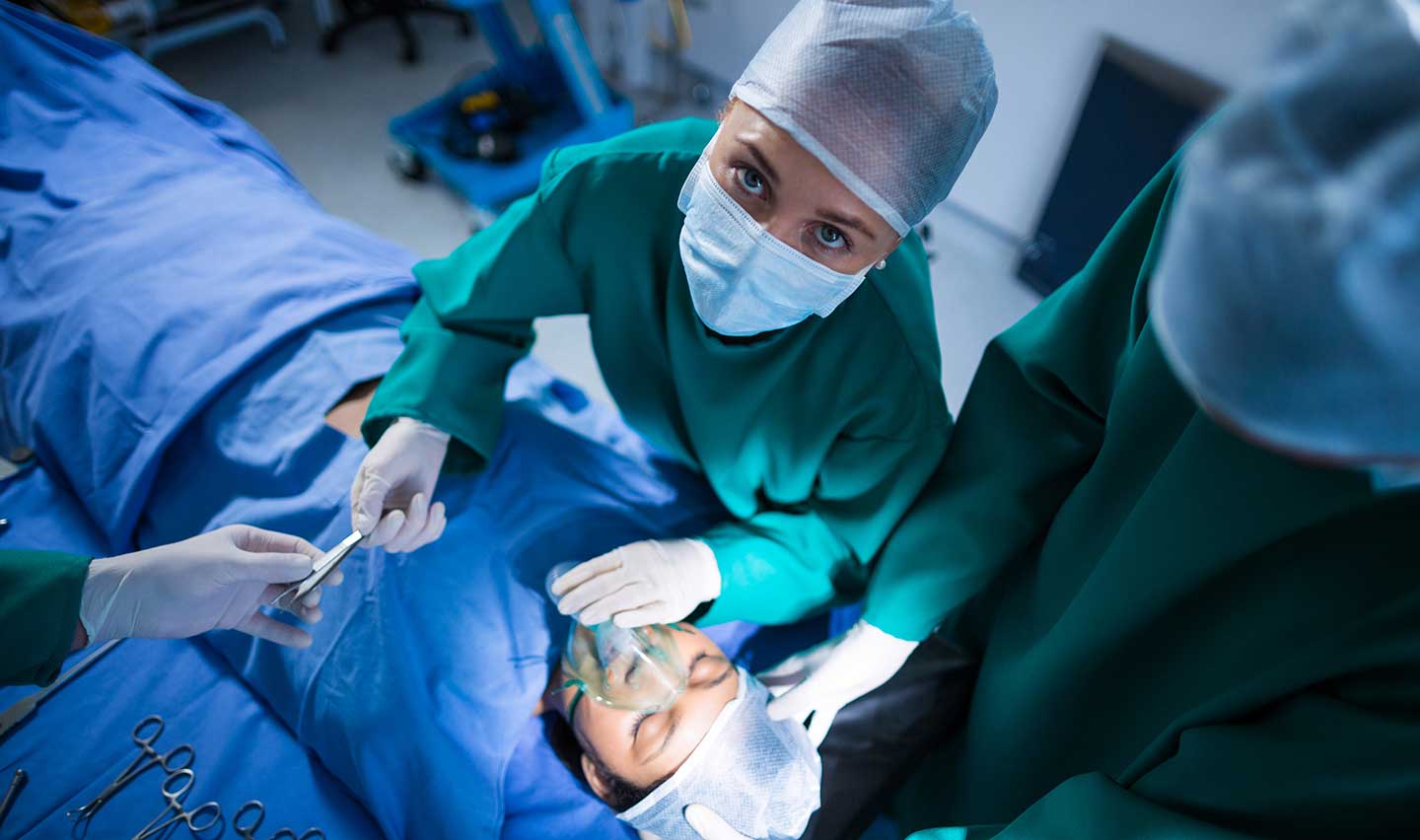
What is Hernia Surgery?
A hernia occurs when an organ or fatty tissue pushes through a weak spot in the muscle wall of the abdomen, forming a bulge, most often in the groin, belly button or over an old surgical scar. A hernia does not heal on its own, and it tends to grow larger and more painful over time.
Surgery repairs the weak area, usually reinforcing it with a mesh. It can be done as laparoscopic (keyhole) surgery through a few tiny incisions, or as open surgery through one incision over the hernia. Your surgeon will recommend the best option for you.
- Accurate diagnosis of the type and size of hernia
- Mesh repair for a strong, long-lasting result
- Keyhole (laparoscopic) repair in most suitable cases
- Open repair available when it is the safer option
- Clear guidance on lifting, activity and recovery
Symptoms of a Hernia
A hernia often shows first as a soft bulge that is more noticeable when you stand, cough or strain. Do not ignore it, and seek urgent care if it becomes hard or painful.
A visible bulge in the groin, belly button or an old surgical scar
Pain or discomfort when bending, coughing or lifting
A heavy or dragging feeling that worsens through the day
A bulge that goes in when you lie down and returns on standing
Nausea, vomiting or constipation with a painful bulge
A hard, tender or discoloured bulge — emergency, come immediately
Open vs. Laparoscopic Hernia Repair
Both approaches are safe and effective. We choose the one that suits your hernia and your health best.
Laparoscopic Hernia Repair
Keyhole surgery through a few small incisions, placing a mesh from inside. It usually means less pain, minimal scarring and a quicker return to work, and is well suited to bilateral or recurrent hernias.
Open Hernia Repair
The hernia is repaired through a single incision over the bulge, usually with a mesh. It is a proven option and is preferred for some patients, including those unsuited to keyhole surgery.
Types of Hernia We Repair
The repair is planned according to the location, size and cause of your hernia.
Inguinal Hernia
A bulge in the groin, the most common type, especially in men. It can extend into the scrotum and tends to enlarge with time.
Umbilical Hernia
A bulge at or around the belly button, seen in infants and in adults, particularly after pregnancy or weight gain.
Incisional Hernia
A bulge through the weak scar of an earlier abdominal operation. It often needs a larger mesh for a secure repair.
Femoral Hernia
A small bulge just below the groin crease, more common in women. It carries a higher risk of getting trapped, so early repair is advised.
How We Treat Hernia at Master Surgeon
Led by Dr. S. Ravi Kumar, our team takes you from diagnosis to full recovery with clear communication at every step.
Consultation & Examination
A careful examination, often while you stand and cough, to identify the type and size of the hernia.
Expert ConsultationUltrasound & Fitness Check
An ultrasound if the diagnosis is unclear, and pre-anaesthesia checks to be sure you are fit for surgery.
Accurate DiagnosisChoosing the Right Approach
Dr. Ravi Kumar recommends laparoscopic or open repair and explains why, along with the risks and benefits.
Personalized PlanSafe Mesh Repair
The hernia is repaired and reinforced with a mesh by an experienced team under appropriate anaesthesia.
Precision & SafetyRecovery & Discharge
Pain relief and early walking, with most patients going home within a day or two.
Quick RecoveryFollow-Up Support
A scheduled review with clear lifting and activity advice, and 24x7 support for any concern.
Ongoing SupportHernia Surgery — Frequently Asked Questions
Will a hernia go away on its own?
No. A hernia is a gap in the muscle wall and does not heal by itself. It usually grows over time, so surgical repair is the only permanent treatment.
Is hernia surgery always necessary?
Most hernias that cause symptoms should be repaired. A small hernia without symptoms may sometimes be watched, but it should be examined by a surgeon. A hernia that becomes hard, painful or trapped is an emergency.
What is the difference between open and laparoscopic hernia repair?
Laparoscopic repair uses a few tiny incisions and a camera and usually means less pain and quicker recovery. Open repair uses one incision over the hernia. Both commonly use a mesh, and your surgeon will suggest what suits you best.
Is the mesh safe, and can the hernia come back?
Surgical mesh is widely used and makes the repair stronger, which lowers the chance of the hernia returning. No operation can promise zero recurrence, but a well-performed mesh repair has a low recurrence rate.
When can I return to work and lift weights?
Most people return to desk work within about a week after laparoscopic repair. Heavy lifting is usually avoided for several weeks. Your surgeon will guide you on your own timeline.
Get It Checked in Confidence
Speak to our surgical team for a clear diagnosis and a treatment plan that fits you. Our helpline is available 24x7.
Call +91 96767 17852